





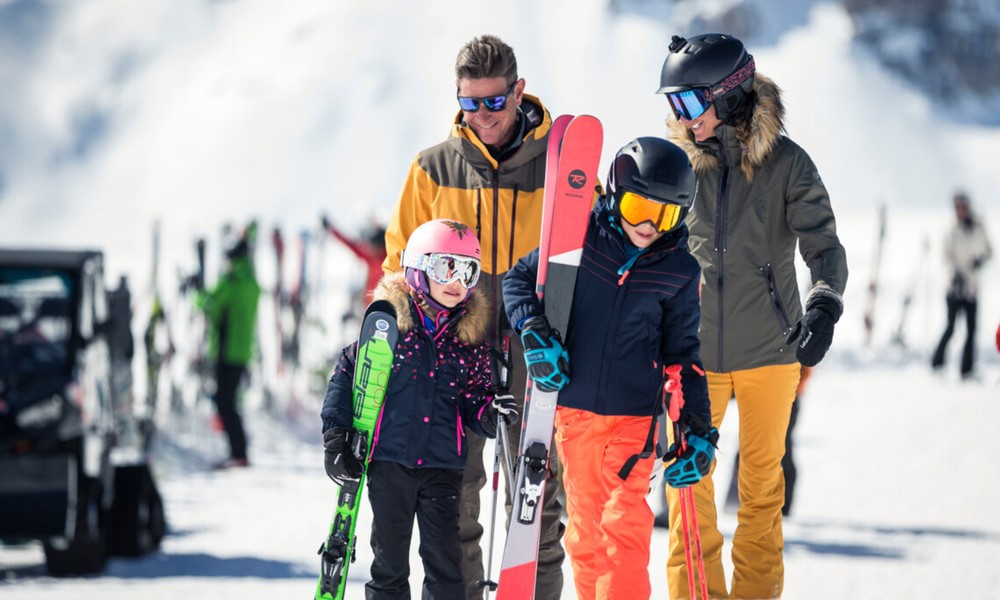
Group ski holidays are some of the best holidays you can take. They’re also some of the most logistically complex. Getting eight or twelve people from different locations to the same French mountain at the same time, in agreement about accommodation, budget, and activities, while managing competing preferences and varying skiing ability, this is no small feat.
Here’s a practical guide to organising it well, from initial idea to final evening at your luxury chalet val thorens.
Start Earlier Than You Think
This is the single most important piece of advice: start planning earlier than feels necessary.
The best catered chalets in the most popular resorts sell out fast. Not “book a few weeks in advance” fast, genuinely, for peak weeks, you need to be looking six to twelve months ahead. The Christmas and New Year week and the February half-term period are the most extreme examples: many chalets are fully booked by Easter of the preceding year.
If you’re organising a group holiday for next winter, and you’re reading this in spring or summer, now is the right time to be serious about dates and accommodation.
Get Commitment Before You Do Anything
The most common way group ski trips collapse is that the organiser does significant research, sometimes even puts down a deposit, and then people start dropping out.
Before you research anything in detail, get real commitment from every potential group member:
- Verbal agreement means nothing: “I’m definitely in!” over a round of drinks in October becomes “Actually I’m not sure the dates work” by January.
- Ask for a holding deposit – even a small amount (£50-£100) – from each group member before you start researching in earnest. People who have put money down are far more likely to follow through.
- Set a firm decision deadline: Give people two weeks to confirm. If they haven’t committed by then, plan without them.
It’s better to book a chalet for ten people with ten definite bookings than a chalet for fourteen with four wobbly commitments.
The Decisions to Make Early
Dates
For most working adults, dates are driven by school holidays, workplace leave restrictions, and cost. Key considerations:
- Peak weeks: Christmas/New Year and February half-term are most expensive and most crowded, but this is when many people have to travel due to children’s school holidays.
- January: Often the best value week of the season, with good snow following the early season build-up and fewer crowds. No school holidays in most weeks.
- March: Widely considered the best skiing month, long days, reliable snow, better weather, festive atmosphere as the season builds towards its end. Slightly busier as March half-term approaches.
- Easter: Can be excellent or disastrous for snow, depending on the year. Lower resorts tend to struggle; high-altitude resorts like Val Thorens are more reliable.
For a group with children of school age, you’re largely constrained to school holiday weeks. Accept this early and focus energy on finding the best option within those constraints rather than fighting them.
Budget
Money is where group trips most often become awkward. Be explicit early about what the budget range is for accommodation per person, and make sure everyone is working to the same figure.
Key costs to factor in:
- Accommodation (the chalet, all-inclusive with catering)
- Flights or transfers
- Lift passes (typically £250-£350 per adult for a 6-day pass in major French resorts)
- Ski hire (typically £100-£200 per person per week)
- Ski lessons (if needed)
- Evening extras (drinks, the occasional restaurant meal out, après-ski)
- Ski clothing and equipment (for those who don’t have it)
A realistic total spend for a week in a mid-range catered chalet in Val d’Isère or Tignes, including flights, transfers, lift passes, and hire, is typically £1,500-£2,500 per person. This can be lower for budget travel and higher for a luxury chalet.
Resort
If the group has strong opinions about resorts, involve everyone in the decision early. If they don’t, decide yourself based on the group’s ability profile and the available options.
Key factors for group resort selection:
- Skiing ability of the whole group – see our guide on mixed-ability skiing
- Resort size – larger ski areas give everyone more to do
- Après-ski and nightlife requirements
- Family/child-friendliness if children are coming
Chalet Size and Configuration
This requires thought. Questions to settle:
- Do people want private rooms or are shared rooms/bunk rooms acceptable? (Shared rooms significantly reduce cost per person.)
- Are there couples who will want double beds rather than twins?
- Are there children who need suitable sleeping arrangements?
- Does anyone have mobility issues that make stairs or certain room configurations unsuitable?
Get this information from every group member before you start looking at chalets. Finding out mid-research that two people have mobility issues and can’t use a three-storey chalet with no lift is frustrating for everyone.
Choosing and Booking the Chalet
Finding Chalets
The main sources for finding catered ski chalets:
- Specialist catered chalet operators: Companies that own and operate multiple chalets across specific resorts. These tend to offer the most consistent quality, the best-trained staff, and proper customer service.
- Chalet holiday companies: Larger operators with broad portfolios, useful for comparison but sometimes less personal than smaller specialists.
- Direct rental with catering staff hired separately: More complex to organise, but can offer more flexibility and sometimes better value for larger groups.
What to Check Before Booking
Exclusivity: Is the chalet booked exclusively for your group, or will you be sharing with other guests? Most catered chalets operate on exclusive basis for groups, verify this.
What’s included: Detailed checklist:
- Which meals and at what times?
- Is wine/alcohol included? If so, how much and what quality?
- Airport transfers included or extra?
- Lift passes included or extra?
- Use of hot tub/sauna/pool included?
- Housekeeping frequency?
Deposit and cancellation terms: Understand exactly what you’re committed to and when. Most operators require a deposit on booking (typically 25-30%) and the balance 8-10 weeks before departure. Cancellation terms vary, some operators offer full refund up to a certain date; others do not.
Travel insurance requirement: Reputable operators strongly recommend or require comprehensive travel insurance including ski cover and cancellation cover. Ensure every group member has this independently.
Managing Money Across the Group
Collecting money from a large group is genuinely difficult. Options:
- Group WhatsApp with payment deadlines: The most common approach. Nominate one group member as treasurer.
- Splitwise or similar apps: Useful for tracking who has paid what and calculating any adjustments.
- Bank transfer only: Avoid collecting cash – it’s impossible to track.
Collect the deposit from everyone before you pay the operator. Do not front the deposit yourself unless you are completely confident everyone will follow through.
Flights and Transfers
Flying vs. Driving
For UK groups travelling to French ski resorts, the main options are:
Flying to Geneva (GVA): The most common. Geneva is 2-3 hours from most major French resorts by road. BA, EasyJet, Jet2, and Swiss all fly from multiple UK airports.
Flying to Lyon (LYS) or Chambéry (CMF): Shorter transfer times to some resorts, fewer direct flights.
Eurostar Ski Train: The overnight Eurostar ski train from London St Pancras runs on selected Fridays and Saturdays through the winter season to Bourg-Saint-Maurice, with stops at Albertville (for the Tarentaise resorts) and Moûtiers. A genuinely pleasant way to travel, eliminating airport stress and arriving directly in the mountains.
Driving: Practical for smaller groups with lots of kit, particularly if crossing via Folkestone/Calais and following the motorway south. About 9-11 hours driving from the Channel, typically broken with an overnight stop.
Coordinating Group Travel
Getting a large group on the same flight is logistically easier and usually means you can share transfers. However, people coming from different cities may prefer different departure airports.
Agree early whether you’re trying to arrive together or independently. If together: book flights at the same time with seats near each other. If independently: give people the transfer company details and let them book their own seat on a shared transfer, or arrange separate private transfers.
Airport Transfers
From Geneva to major French resorts, options include:
Shared transfers: Minibus services that pick up multiple passengers and drop them at the resort. Affordable (typically £40-£60 per person each way) but can be slow if multiple resort stops are involved.
Private transfers: A vehicle dedicated to your group. More expensive (typically £300-£600 for a vehicle that seats 6-8, each way) but much faster and more comfortable for a group. Often makes sense for larger groups where shared transfer per-person costs add up.
Self-drive hire cars: Good for smaller groups or those who arrive at different times. Be aware that winter tyres are required on alpine roads in France, and hire companies in Geneva automatically fit them in season.
The Week Before You Go: Last-Minute Logistics
Create a trip-specific WhatsApp group (separate from any existing friendships group). Use it for logistics during the trip, where is everyone meeting, when is the shuttle leaving, etc. rather than the general friendship banter.
Managing the Holiday Itself
The Morning Routine
In a catered chalet, breakfast is served at a fixed time. Make sure everyone knows what time this is and plans accordingly. Missing breakfast in a catered chalet doesn’t just mean you’re hungry – it means the chef prepared food that got wasted.
Daily Logistics
Agree on:
- Meeting point on the mountain for lunch (if splitting the group)
- Afternoon return plan: Is everyone coming back at a set time, or independently?
- Evening meal time: In a catered chalet this is typically fixed at 7:30 or 8pm – let people know.
Disputes and Difficult Moments
In any group trip, there will be moments of friction. Someone will oversleep and miss the group ski morning. Someone will drink too much on Tuesday night. Someone will discover they’re more frightened of skiing than they thought.
The best group trips handle these moments with lightness and grace. The worst turn them into lingering resentments. Agree implicitly at the start that the purpose of the trip is for everyone to enjoy themselves, not for everyone to ski exactly the same runs, follow exactly the same schedule, or consume exactly the same amount of wine.
The Final Evening
In a catered chalet, the last dinner of the week, usually Friday night, tends to be a special occasion. Good chalet operators often produce a slightly more ambitious menu, and the atmosphere is naturally festive as people celebrate the week.
This is also when it’s appropriate to thank the chalet staff. A genuine note of appreciation plus the group’s tip, collected in advance so you’re not awkwardly passing a hat around at the table, means a lot to people who have worked very hard to make your week good.