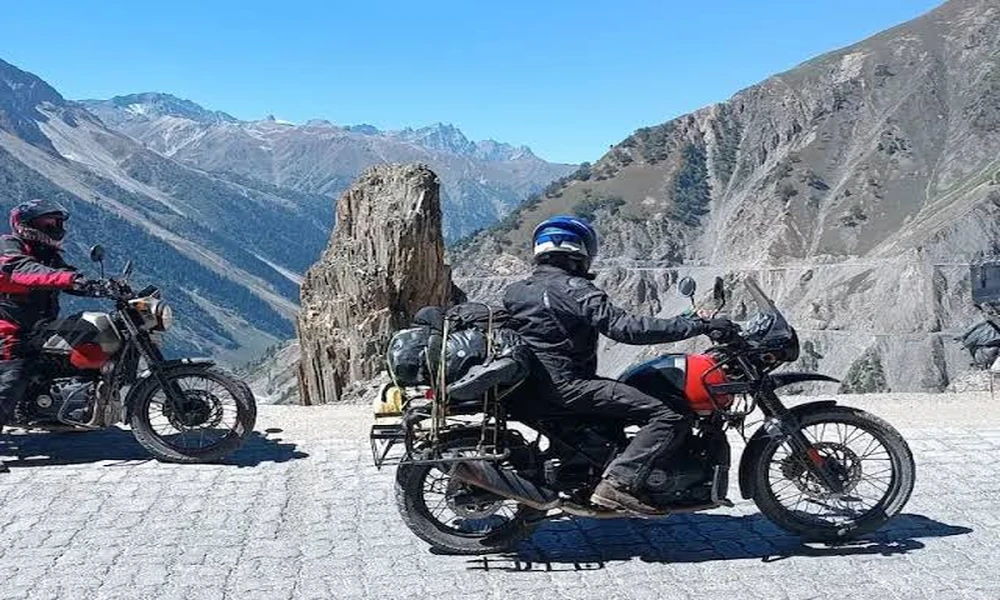



Mountain roads offer breathtaking views and exciting riding experiences, but they can also present challenges for motorcyclists. Uneven surfaces, loose gravel, sharp turns, and sudden changes in weather require extra attention and preparation. Riding safely on rough and unpaved terrain depends on choosing the right speed, maintaining control, and understanding the road conditions.
Routes like the journey from Pokhara to Muktinath by road are prime examples of why mountain motorcycling demands both technical skill and patience. Travelling through the Himalayan terrain exposes riders to rapidly shifting surfaces, from dusty stretches and river crossings to steep rocky inclines. Before setting off on these demanding high-altitude routes, taking the time to properly inspect your bike and adopt the right riding habits can make all the difference in ensuring a smooth and enjoyable adventure.
Prepare Your Motorcycle Before the Ride
A motorcycle should be in good condition before travelling through mountain areas. Check the tyre pressure, tread condition, brakes, chain, and suspension. Tyres with suitable tread provide better grip on loose surfaces, while properly functioning brakes help you control the motorcycle on steep roads.
Check the headlights, indicators, and mirrors to ensure good visibility. Carry basic repair equipment, a tyre puncture kit, and essential tools in case minor problems occur along the way.
Maintain a Controlled Speed
Riding too fast on unpaved roads can make it difficult to respond to unexpected obstacles. Loose stones, potholes, and patches of mud can affect tyre grip and stability.
Maintain a speed that allows you to react comfortably to changing road conditions. Avoid sudden acceleration, harsh braking, and sharp steering movements. When approaching a rough section, slow down gradually and choose a path that offers a stable surface.
Use the Correct Riding Position
Your body position plays an important role when travelling over uneven terrain. Keep your arms relaxed and hold the handlebars firmly without gripping them too tightly. Maintain a balanced posture and allow your knees and legs to absorb some of the movement.
On particularly rough sections, standing slightly on the foot pegs can help you maintain balance and respond to bumps. However, this technique should only be used when appropriate for the motorcycle and the rider’s experience.
Approach Corners and Slopes Carefully
Mountain roads often have narrow turns, steep climbs and sudden drops. Reduce your speed before entering a corner rather than braking sharply while turning. Stay within your lane and avoid cutting across blind bends.
When travelling downhill, use engine braking along with controlled application of the brakes. On steep climbs, maintain steady throttle input and avoid unnecessary gear changes. Always watch for vehicles approaching from the opposite direction.
Be Prepared for Changing Weather
Weather conditions can change quickly in mountain regions. Rain can make unpaved roads slippery, while fog may reduce visibility. Before starting your journey, check the weather forecast and local road conditions.
Wear suitable protective riding gear and carry waterproof clothing. If visibility becomes poor or the road becomes unsafe, find a secure place to stop rather than continuing in difficult conditions.
Carry Essential Supplies and Plan Your Route
Remote mountain roads may have limited fuel stations, repair shops, and mobile network coverage. Carry drinking water, snacks, a first-aid kit, navigation equipment, and emergency contact details.
Share your route and estimated arrival time with someone before leaving. Avoid riding unfamiliar trails alone, especially if you have limited off-road experience.