

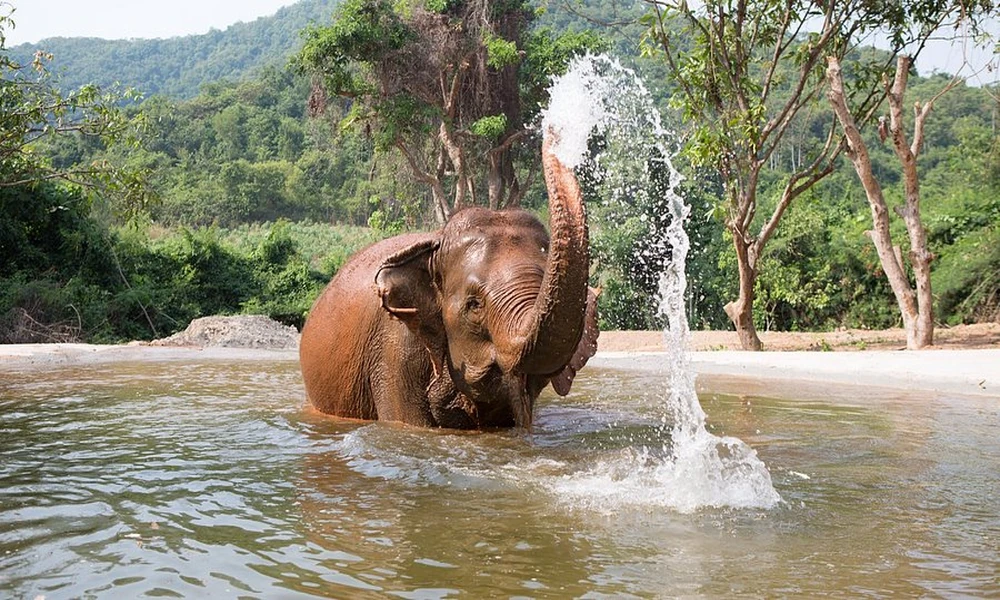


Families can discover valuable lessons about wildlife through guided activities that encourage kindness towards animals. Children gain a better understanding of nature by observing animal behaviour and learning about responsible care. Such visits also help young visitors recognise the importance of protecting living creatures. Educational sessions introduce simple facts about natural habitats and daily routines. Parents can use these opportunities to encourage curiosity while helping children develop respect for wildlife. Shared activities make learning more enjoyable for every family member.
Recognising Wildlife Protection Efforts
Conservation education introduces practical ways to support animal welfare. The elephant sanctuary samui connects families with educational opportunities centred on responsible wildlife awareness.
Understanding Animal Behaviour Patterns
Guided observations help young visitors recognise different movements and social habits among rescued animals.
Building Respect For Living Creatures
Learning about animal needs encourages children to show kindness towards creatures and value their natural surroundings.
Discovering Natural Habitat Requirements
Educational sessions explain how suitable surroundings support healthy behaviour and allow animals to follow familiar routines.
Encouraging Responsible Wildlife Awareness
Families learn why protecting animals matters through simple explanations about responsible care and conservation efforts.
Exploring Gentle Animal Interactions
Supervised activities teach children to maintain suitable distances while observing animals without causing unnecessary disturbance.
Supporting Early Nature Education
Direct observation helps young learners connect classroom knowledge with real situations through meaningful wildlife learning activities.
Understanding Daily Animal Care
Visitors discover how trained caretakers manage everyday responsibilities through organised routines and careful supervision. The activities may include:
– Preparing suitable areas for resting.
– Providing fresh drinking water.
– Maintaining clean surroundings.
– Observing changes in animal behaviour.
– Following responsible feeding guidelines.
Developing Curiosity Through Discovery
Young visitors can strengthen observation skills by noticing animal movements. These simple activities encourage independent thinking and thoughtful discussions.
Creating Lasting Learning Memories
Educational visits can encourage long term interest in wildlife protection. Families gain useful knowledge that supports responsible attitudes towards animals. Choosing an elephant sanctuary samuivisit with suitable educational activities can make family learning more meaningful.
Responsible wildlife education begins with understanding animal needs and respecting their natural behaviour. Families should choose supervised activities that prioritise animal welfare over entertainment. Children can then develop lasting awareness through observation and guided learning. These simple lessons encourage thoughtful decisions and stronger appreciation for living creatures.
FAQs
What Can Children Learn During Visits?
Children learn about animal behaviour, habitat requirements, responsible care and conservation through supervised activities led by knowledgeable staff.
Are Guided Activities Suitable For Families?
Yes, supervised educational activities help parents and children understand wildlife protection while encouraging respectful observation and shared learning.
How Can Families Support Animal Welfare?
Families can follow visitor guidelines, respect animal boundaries, listen to caretakers and encourage responsible wildlife protection after their visits.