




If you’ve been thinking about planning an African adventure, Tanzania should be at the top of that list. From the endless golden plains of the Serengeti to the tropical shores of Zanzibar, this East African gem offers a variety of experiences that few other destinations can match.
If it’s going to be one of your first trips and you’re wondering where to start, then the Ngorongoro Crater is perfect. The Ngorongoro Crater serves as a perfect microcosm of what makes a Tanzania safari so special.
If you’re looking for inspiration for your next getaway, here is what you can expect when exploring the diverse safari landscape of Tanzania.
A World Within a Crater
The Ngorongoro Crater is a geological marvel. Formed over two million years ago when a massive volcano collapsed, it is now the world’s largest intact volcanic caldera. Because the walls of the crater create a natural enclosure, it has developed its own unique ecosystem.
When you descend the 600-metre-high walls into the crater floor, you aren’t just going for a drive; you’re entering a hidden world. Unlike the vast, open-ended plains of other parks, the concentrated nature of the crater means you’re almost guaranteed to see an incredible volume of wildlife in a single day.
What to Expect on the Crater Floor
For many travellers, the main goal is to spot the “Big Five” (lion, leopard, elephant, buffalo, and rhino), and inside the Ngorongoro Crater, your chances are among the highest in Africa.
- This is one of the few places in Tanzania where you can reliably spot the endangered black rhino roaming the open grasslands.
- The crater holds one of the densest populations of lions in the world. It’s not uncommon to see a pride lounging near the soda lakes or stalking through the Lerai Forest.
- Expect to see thousands of pink flamingos in Lake Magadi, known as the alkaline lake at the centre of the crater.
Choosing Your Safari Style
Tanzania isn’t a one size fits all destination; you can tailor your experience to suit your pace and interests.
1. The Classic Game Drive
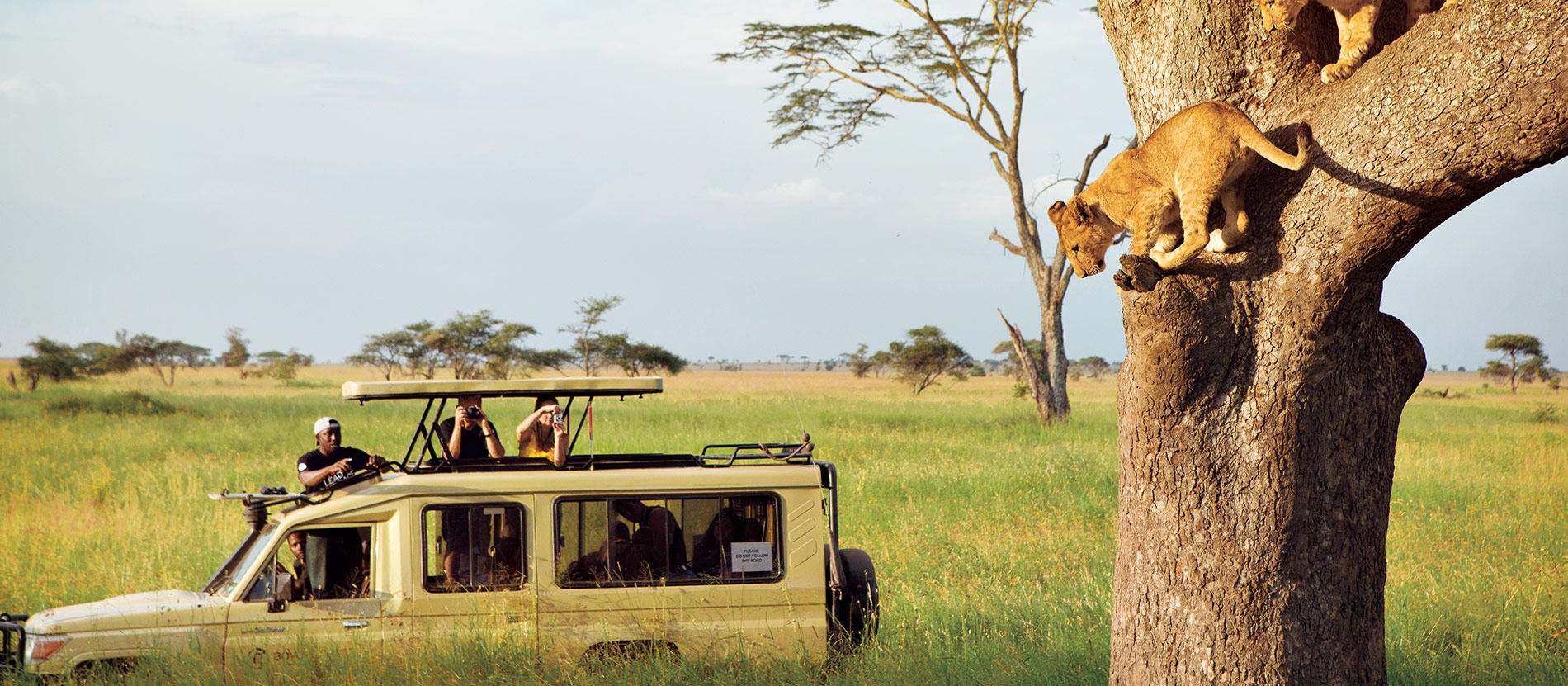
The most popular way to see the crater is via a traditional 4×4 safari vehicle. With a pop-up roof and an expert guide, you’ll spend the day traversing the crater floor and stopping for picnic lunches near hippo-filled pools.
2. Walking Safaris and Nature Treks
For those who want to feel the earth beneath their boots, many lodges on the crater rim offer guided nature walks. Exploring the lush highlands on foot gives you a completely different perspective on the flora and smaller inhabitants of the conservation area.
3. Cultural Encounters
Tanzania is rich in heritage. The Ngorongoro Conservation Area is unique because it is a multiple land-use area, where the semi-nomadic Maasai people live alongside the wildlife. Many itineraries here offer the chance to visit a traditional village to learn about their ancient customs and vibrant culture.
When is the Best Time to Go?
Tanzania is a year-round destination, but your experience will change with the seasons.
- June to October is generally considered the best time for wildlife viewing. As water becomes scarce, animals congregate around the remaining water holes, making them much easier to spot.
- November to May is the best time for lush, green, landscapes, and if you want to see the calving season then this is a beautiful time to visit. It’s also the peak time for birdwatching as migratory species arrive.
Final Thoughts
Planning a trip to Tanzania can feel overwhelming because there is simply so much to see. However, by starting with a destination like the Ngorongoro Crater, you get a full African wildlife experience in a single location.
Whether you’re looking for a rugged adventure under canvas or a luxury lodge with views over the caldera rim, the range of safari options ensures that your Tanzanian journey will be exactly what you’ve imagined.